
Facing the juvenile justice system can overwhelm families in Raleigh. When a minor faces criminal charges, securing an experienced legal defense ensures their rights receive full protection. We provide a detailed look at juvenile cases in Raleigh, how juvenile court differs from adult court, common defenses, potential consequences, and how a Raleigh criminal defense lawyer helps protect a minor’s legal interests.
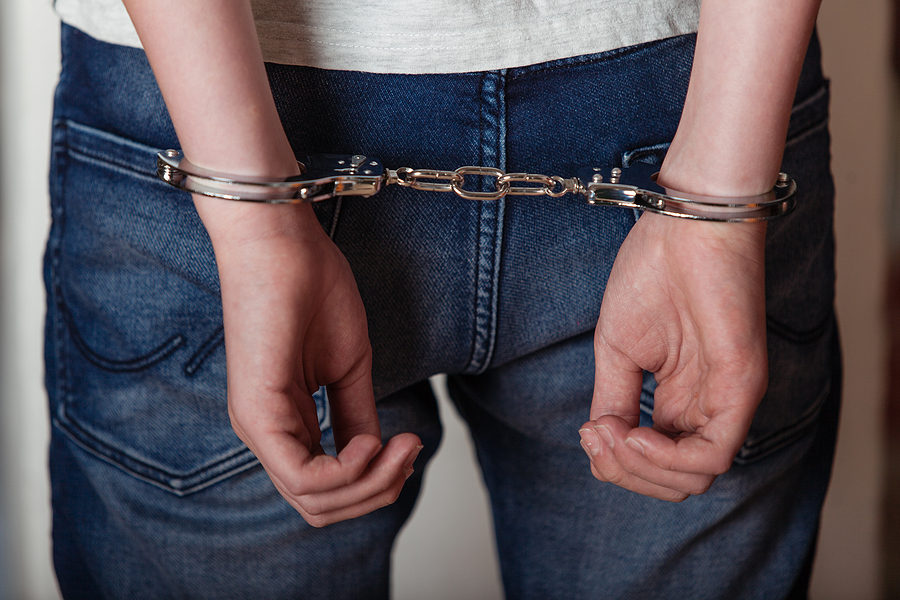
Types of Juvenile Cases in Raleigh
Raleigh handles juvenile cases for individuals under 18. These cases range from misdemeanor offenses like vandalism and truancy to more serious delinquent acts that would qualify as felonies for adults. Courts also intervene when a minor shows ungovernable behavior or requires supervision. Juvenile court often emphasizes rehabilitation and guidance rather than strict punishment.
How Juvenile Court Differs from Adult Court
Juvenile court focuses on rehabilitation and protecting the minor’s best interests. Adult criminal court focuses primarily on punishment and public safety. Juvenile proceedings remain confidential, and the court seeks to address issues behind the minor’s actions. Adult court, in contrast, relies on a more adversarial process.
The terminology differs as well. Minors receive an adjudication of delinquency instead of a guilty verdict. Dispositional orders replace sentences and may include probation, counseling, community service, or juvenile detention. Raleigh families benefit from a defense attorney familiar with these distinctions and capable of guiding them through the juvenile process.
Juvenile Criminal Defense Strategies
The most effective juvenile criminal defense strategies depend on the specific facts of each case. Attorneys can:
- Challenge evidence
- Argue rights violations during investigations
- Present mitigating factors that explain a minor’s actions
Schedule a confidential consultation with our Raleigh office to discuss options.
Alternatives to Formal Juvenile Court Proceedings
There are sometimes alternatives to formal juvenile court that can avoid lengthy proceedings. Programs such as diversion, Teen Court, or mediation allow minors to address misconduct, perform community service, attend educational programs, and complete counseling.
These alternatives let minors take responsibility for actions while avoiding formal records. Prosecutors may support these programs, especially for first-time or minor offenses. A Raleigh criminal defense lawyer negotiates with prosecutors and helps secure program participation, aiming for the most favorable outcome possible.
Steps to Protect a Minor’s Rights During a Case
Families must safeguard a minor’s legal rights throughout a juvenile case. The minor should understand the right to remain silent, the right to an attorney, and the right to confront witnesses. Never provide statements to law enforcement without attorney guidance. Our Raleigh defense attorneys explain rights, review allegations, and guide minors and families through the legal process.
Gathering evidence forms a critical part of protection. Police reports, witness statements, and other documents can support the case. Our team investigates independently, interviews witnesses, and challenges unreliable or illegally obtained evidence. These actions ensure fair treatment and a strong legal position in court.
Contact a Criminal Defense Attorney to Defend You
If your child faces juvenile charges in Raleigh, you should contact a qualified criminal defense attorney immediately. Our Raleigh legal team provides legal guidance, protect rights, and advocate for the best possible outcome. Contact the Law Office of Dewey P. Brinkley at (919) 832-0307 or by using the online form to schedule a free consultation to discuss your case.


