
 What We Do
If you’ve been arrested for a drug crime in Raleigh, you’re probably scared. You might be wondering what happens next, how serious your charges really are, and whether you can actually beat this. The truth is that drug charges in North Carolina are serious, but they’re also defensible. The Law Office of Dewey P. Brinkley spent years helping people in your exact situation navigate the criminal justice system and come out with the best possible outcome. Let us walk you through what you need to know.
Don’t Wait!
Contact Raleigh’s Leading Criminal Defense Attorney Now.

The moment police arrest you for a drug crime, a specific legal process kicks into motion. You’ll be taken to a police station or jail for booking, where officers will record your personal information, photograph you, and take your fingerprints. During this time, you have the right to remain silent. Many people don’t realize how critical this is. Anything you say can and will be used against you in court, so it’s better to ask for a lawyer than to try explaining yourself to the police.
Within 24 to 72 hours of your arrest, you’ll have your first appearance before a judge. This is called an initial appearance or first appearance hearing. At this hearing, the judge will inform you of the charges against you, explain your rights, and decide whether to release you or keep you in custody. The judge will also set bail or bond conditions if you’re released. This is not the time to plead guilty or accept whatever the prosecutor offers. Your focus should be on securing your release so you can prepare your defense properly.
After your first appearance, the case moves into the discovery phase. This is when both the prosecution and defense exchange evidence. The prosecutor must turn over police reports, lab results, witness statements, and any other evidence they plan to use against you. We use this time to identify weaknesses in their case, find procedural errors, and determine what defenses might work best for your situation.
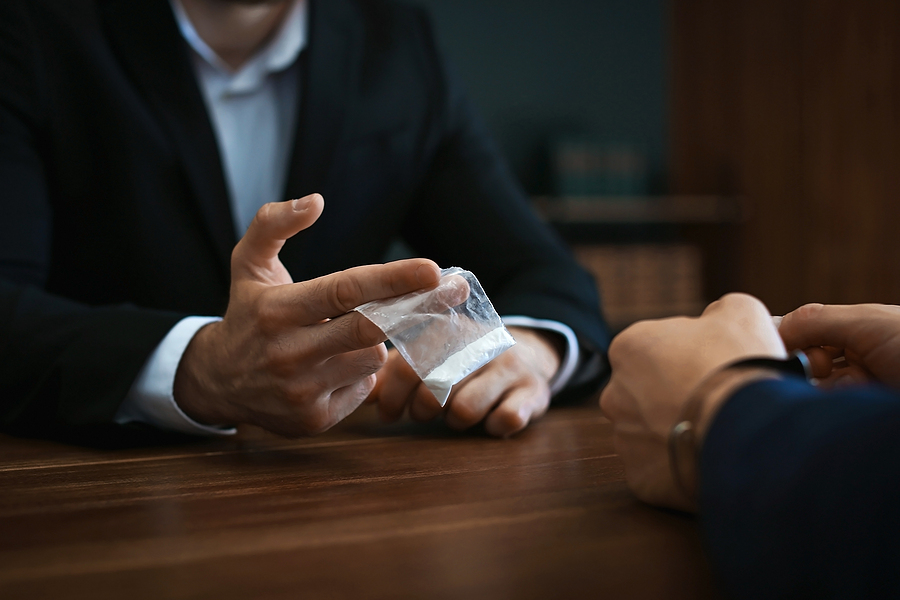
North Carolina has several different drug charges, and the specific charge you’re facing depends on what drug was found, how much you had, and what the police believe you intended to do with it. Simple possession is the least serious charge. This applies when you have a small amount of a controlled substance for your own use. You’re not selling it, distributing it, or manufacturing it. You just have it.
North Carolina uses a scheduling system to classify drugs based on their potential for abuse and medical value. Schedule I drugs have no accepted medical use and high abuse potential. Heroin, LSD, and ecstasy fall into this category. Schedule II drugs have some medical use but still carry high abuse potential. Cocaine, methamphetamine, and prescription painkillers like oxycodone are Schedule II.
Schedule III, IV, and V drugs have decreasing abuse potential and increasing medical acceptance. Many prescription medications fall into these categories. The schedule of the drug you’re charged with possessing affects the severity of your penalties. A Schedule I drug charge is typically more serious than a Schedule IV charge.
Marijuana occupies a unique position in North Carolina law. It’s still classified as a Schedule VI controlled substance, which means possession is illegal. However, the penalties for marijuana possession are generally less severe than for other drugs. Small amounts of marijuana might result in a misdemeanor charge, while larger amounts could lead to felony charges.
We approach every drug case with the assumption that the prosecution must prove its case beyond a reasonable doubt. We don’t accept their version of events. We investigate independently. We examine police reports for inconsistencies and errors. We review body camera footage and dash camera footage. We look for violations of your constitutional rights.
Many drug arrests involve Fourth Amendment violations. Police might have searched your car, home, or person without proper consent or a valid warrant. They might have conducted an illegal traffic stop. They might have extended a traffic stop beyond its lawful purpose. If we can show that the police violated your rights, we can get the evidence suppressed, which often means the case falls apart.
We also investigate the chain of custody for drug evidence. How was the drug seized? Who handled it? How was it stored? Were proper procedures followed? Lab errors happen. Contamination happens. Mislabeling happens. We hire our own experts to review lab reports and challenge the prosecution’s evidence.
We negotiate aggressively with prosecutors. Sometimes we can get charges reduced. When negotiation doesn’t work, we’re prepared to take your case to trial. We cross-examine police officers and challenge their testimony. We present evidence that supports your defense. We make sure the jury understands that the prosecution must prove every element of the charge beyond a reasonable doubt.
Several defenses can work in drug cases. An illegal search and seizure is one of the most powerful. If police violated your Fourth Amendment rights, we can file a motion to suppress the evidence. Without the drugs, the prosecution often has no case.
Lack of knowledge is another defense. If you didn’t know you had drugs, you can’t be convicted of possession. This might apply if someone put drugs in your car or bag without your knowledge. We can present evidence supporting this defense.
Lack of intent to distribute is a defense to possession-with-intent-to-distribute charges. Just because you had a large amount of drugs doesn’t automatically mean you intended to sell them. You might have been a heavy user. We can present evidence of your drug use patterns, your financial situation, and other factors that suggest you weren’t dealing.
Mistaken identity can work in some cases. Maybe the police arrested the wrong person. Maybe the drugs belonged to someone else. We investigate thoroughly to determine if this defense applies.
Entrapment is a defense when police induce you to commit a crime you wouldn’t otherwise commit. If an undercover officer or informant pressured you into selling drugs, we can raise an entrapment defense.
Lab errors and chain-of-custody problems can result in evidence being excluded. If the prosecution can’t prove the substance was actually the drug they claim it was, the case weakens significantly.
The first thing you should do is exercise your right to remain silent. Don’t talk to police without a lawyer present. Don’t try to explain yourself. Don’t think you can talk your way out of this. Anything you say will be used against you. Police are trained in interrogation techniques designed to get confessions. You’re not trained in resisting those techniques. Stay silent.
Don’t consent to searches. If police ask to search your car, home, or person, say no. If they have a warrant, they’ll execute it anyway. If they don’t have a warrant, your refusal might prevent an illegal search that could later be challenged.
Don’t post about your arrest on social media. Don’t discuss your case with anyone except your lawyer. Anything you say can be used against you, and social media posts are discoverable in court.
Gather information about your arrest. Write down everything you remember about what happened. Where were you? What were you doing? What did the police say? What did they do? This information helps us build your defense.
Don’t plead guilty at your first appearance. Don’t accept any plea offer without discussing it with us first. Your first appearance is not the time to make permanent decisions about your case.
A drug conviction doesn’t have to define your future. We’ve helped many people in Raleigh fight drug charges and move forward with their lives. Some of our clients had charges dismissed. Some had charges reduced. Some were acquitted at trial. Some received probation instead of prison time.
The criminal justice system can be intimidating. Prosecutors have resources. Police have training. But you have rights. You have the right to a lawyer. You have the right to challenge evidence. You have the right to a trial. You have the right to make the prosecution prove its case beyond a reasonable doubt.
We know how to exercise those rights effectively. We know the judges in Raleigh. We know the prosecutors. We know the local court system. That knowledge gives us an advantage in advocating for you.
If you’ve been arrested for a drug crime in Raleigh, contact us immediately. The sooner we’re involved, the sooner we can start protecting your rights and building your defense. We offer free consultations so you can discuss your case with us without any financial obligation.
Contact the Law Office of Dewey P. Brinkley at (919) 832-0307 or use the online form to schedule a free consultation to discuss your case. We’re ready to fight for you.

Certified Criminal Law Specialist by North Carolina State Bar.

Tried over 250 criminal cases in local courts.

Knows prosecution strategies from time as Assistant District Attorney.

Direct, responsive service from start to finish by Brinkley himself.

4.9-star client reviews praise professionalism and case outcomes.
Speak directly with Attorney Dewey Brinkley – 100% confidential and no obligation.