
 What We Do
A gun crime arrest in Raleigh can turn your life upside down in a matter of hours. One moment you are going about your day, and the next you are in custody facing serious felony allegations. These cases move quickly, and the pressure can feel overwhelming before you even fully understand what is being charged.
Firearm-related charges in North Carolina can arise from a wide range of situations. Some involve allegations of carrying a concealed weapon without a permit. Others involve claims tied to prior felony convictions, disputes, or incidents where a firearm was allegedly present during another alleged offense. Even when the facts are unclear, law enforcement and prosecutors often treat these cases with urgency.
At the Law Office of Dewey P. Brinkley, we know how quickly things escalate after a gun arrest. People are often dealing with fear, uncertainty, and financial strain at the same time. Missing work, paying the bond, and trying to hold things together at home add pressure, making it harder to think clearly. That is exactly when legal guidance matters most.
Don’t Wait!
Contact Raleigh’s Leading Criminal Defense Attorney Now.

In a gun crime case, the state carries the burden of proving every element beyond a reasonable doubt. That sounds straightforward, but in practice, it often depends on how evidence is interpreted and presented.
Depending on the charge, prosecutors may need to prove that you knowingly possessed a firearm, that the firearm was carried in a prohibited manner, or that you were legally barred from possessing a weapon. In some cases, they also need to show intent or connection to another alleged crime.
Possession is often the most contested issue. The state must show not only that a firearm was present, but that it was actually under your control or within your awareness. Shared spaces, vehicles with multiple occupants, or homes with several residents can all complicate this issue.
Prior criminal history can also change how charges are treated. A prior felony conviction can elevate a simple possession allegation into a much more serious charge. That is why details matter so much in these cases, even small ones that may seem insignificant at first.
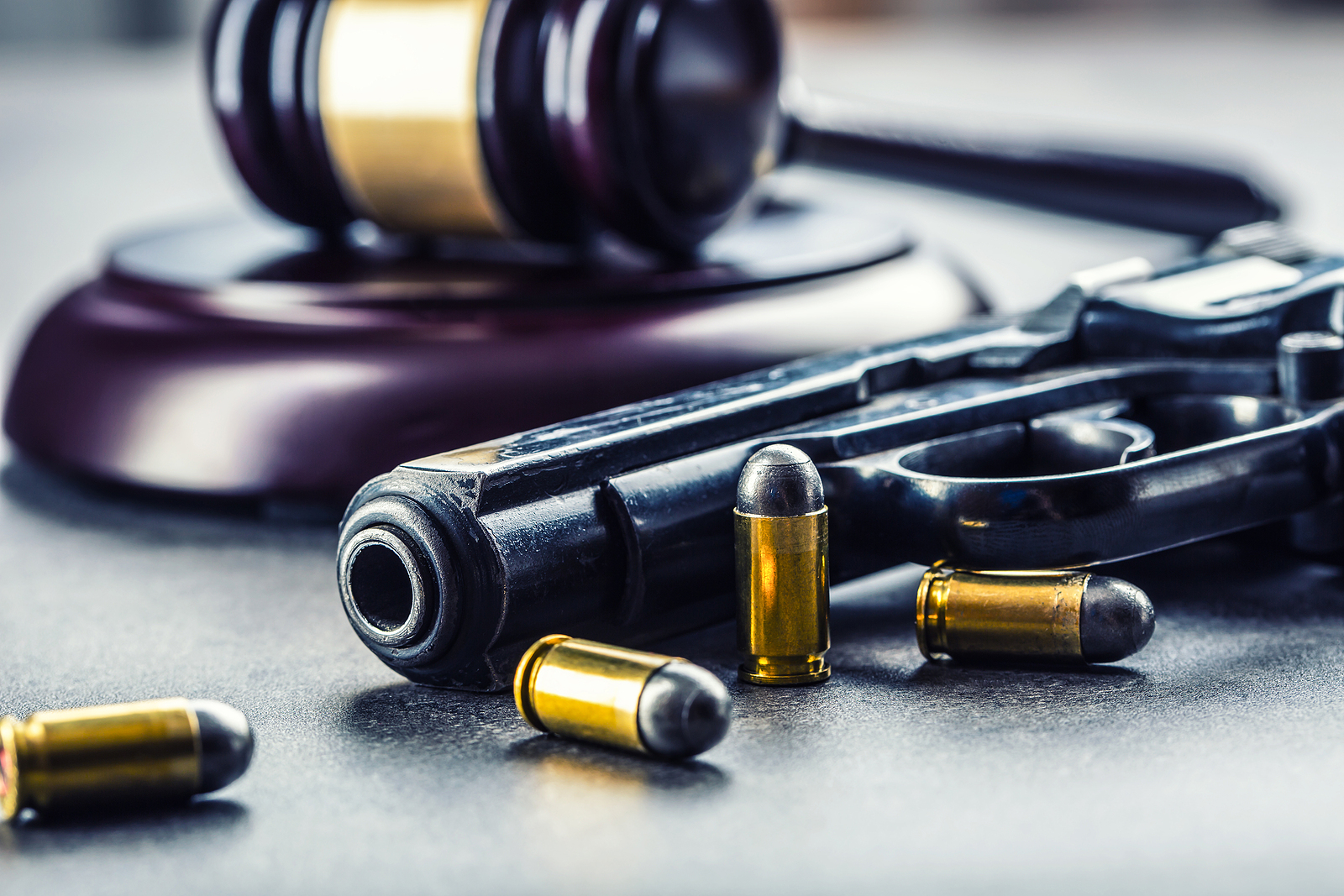
Gun crime convictions in North Carolina can carry serious consequences, including felony records, incarceration, probation, and significant fines. The exact penalties depend on the charge level and the circumstances of the case, but the stakes are always high.
A felony conviction involving a firearm can affect nearly every part of your life. Employment opportunities may become limited, especially in jobs that require background checks. Housing applications can be denied. Professional licensing can be impacted. Even personal relationships can feel the strain of a criminal case.
There is also a financial impact that people do not always anticipate. Court costs, legal fees, missed wages, and long-term earning limitations can add up quickly. Many clients come to us already under financial pressure before the arrest, and the case only increases that strain.
In some situations, penalties may include mandatory minimum sentences depending on the charge. That means the court has limited flexibility once a conviction occurs. Because of that, the defense strategy needs to focus early on avoiding conviction altogether or reducing the charge to something less severe.
After a gun arrest in Raleigh, you are typically taken into custody for booking. This includes fingerprinting, photographs, and formal processing through the Wake County system. After that, the bond is set based on the nature of the charge, your record, and other factors.
Some people are released within a short time after posting bond. Others may remain in custody longer, depending on the seriousness of the allegation or prior history. Either way, the case begins moving forward immediately.
Your first court appearance is usually a key moment in the early stages of the case. This is where charges are formally presented and where initial legal procedures begin. While it is not a trial, it sets the foundation for everything that follows.
Having representation early can make a difference in how conditions of release are set. Bond terms, travel restrictions, and other conditions can affect your ability to work and support your family. When finances are already tight, those restrictions can add another layer of stress.
Many firearm cases depend heavily on how the weapon was found. That often means searches of vehicles, homes, or personal property become central to the defense.
Law enforcement must follow constitutional rules when conducting searches. If a search is conducted without proper legal justification, the evidence found may be challenged in court. That includes situations involving traffic stops, consent searches, or warrants.
Search and seizure issues are often where gun cases are won or lost. A firearm that was recovered improperly may not be admissible in court. Without that evidence, the prosecution’s case can weaken significantly.
We carefully examine how the search was conducted, what justification was given, and whether proper procedures were followed. Even small procedural mistakes can have a major impact on the outcome of a case.
In many situations, people are not even aware of their rights at the time of the search. That is why reviewing police reports and body camera footage is such an important part of building a defense.
Gun crime defenses vary depending on the facts, but many cases involve similar issues that can be challenged in court.
One common defense is a lack of possession. If the firearm was not clearly under your control or linked to you, the state may have difficulty proving the charge. This often comes up in shared vehicles or homes where multiple people have access.
Another defense involves illegal search and seizure. If law enforcement violated constitutional protections, the evidence may be suppressed. Without that evidence, the prosecution may not be able to move forward.
There are also cases where the firearm itself is not what it appears to be, or where the connection between the firearm and the alleged offense is weak. These details can create reasonable doubt.
Each case requires a close review of evidence, witness statements, and police conduct. What seems clear at first can become less certain once the facts are examined in detail.
There are several paths a gun crime case can take, depending on the evidence and circumstances. Some cases are best positioned for dismissal based on legal or factual issues. Others may involve negotiation for reduced charges or alternative resolutions.
Trial is also an option when the evidence does not support a conviction. In those cases, the focus shifts to preparing a clear defense that directly challenges the state’s claims.
In some situations, resolving a case without a felony conviction becomes the priority. That can involve negotiating for lesser charges or exploring sentencing alternatives when appropriate.
The right strategy depends on what the evidence shows and how strong the state’s case is. No two firearm cases are the same, which is why careful preparation matters from the beginning.
For people already dealing with financial pressure, avoiding the long-term consequences of a conviction can be especially important. A criminal record can limit earning potential and create barriers that last long after the case ends.
Working with a criminal defense lawyer should give you clarity during a difficult and uncertain time. From the beginning, the focus is on reviewing the charges, examining the evidence, and explaining what options are realistically available.
At the Law Office of Dewey P. Brinkley, we take a direct and practical approach. That means looking closely at how the firearm was found, whether the search was lawful, and whether the state can actually prove possession or intent.
Communication matters throughout the process. Gun crime cases often move through multiple stages, including hearings, negotiations, and possible trial preparation. Knowing what is happening at each step helps reduce uncertainty and allows you to make informed decisions.
We also recognize that legal trouble often overlaps with financial stress. Bond costs, missed income, and long-term consequences can add pressure quickly. That is why we focus not only on the legal defense but also on helping you understand the practical impact of each option.
Facing a gun charge in Raleigh is serious, but it is not the end of the road. With the right defense strategy, it is possible to challenge the allegations, protect your rights, and work toward the best possible outcome under North Carolina law. Contact the Law Office of Dewey P. Brinkley at (919) 832-0307 or use the online form to schedule a free consultation to discuss your case.

Certified Criminal Law Specialist by North Carolina State Bar.

Tried over 250 criminal cases in local courts.

Knows prosecution strategies from time as Assistant District Attorney.

Direct, responsive service from start to finish by Brinkley himself.

4.9-star client reviews praise professionalism and case outcomes.
Speak directly with Attorney Dewey Brinkley – 100% confidential and no obligation.