
Getting charged with a DWI in North Carolina puts you in a position where every piece of evidence matters. You might have dashcam footage showing you drove perfectly fine. Maybe you have witness statements contradicting the officer’s report. Perhaps you even have medical records explaining why you failed field sobriety tests. But here’s something most people don’t realize until it’s too late: not all evidence makes it into court. Sometimes, the very proof that could clear your name gets excluded before a jury ever sees it.
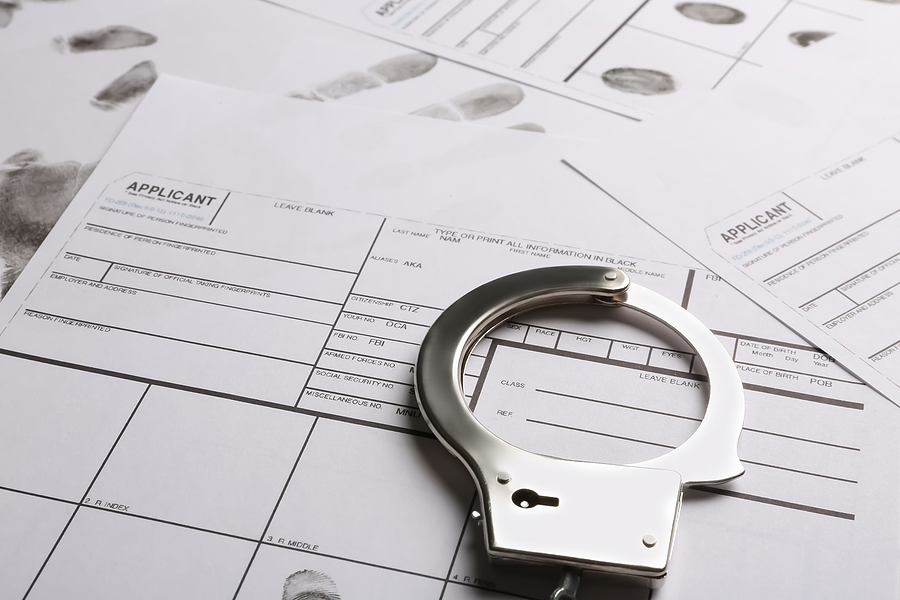
What Happens When Evidence Gets Thrown Out in Your DWI Case
When DWI defense evidence gets excluded, that information simply doesn’t exist as far as the trial is concerned. The prosecutor can’t mention it. Your attorney can’t reference it. The jury never hears about it. This creates gaps in the story you’re trying to tell. If your main defense relied on that excluded evidence, you’re suddenly left scrambling for alternatives. In some cases, excluded evidence can mean the difference between conviction and acquittal.
Chain of Custody Problems That Weaken Your Defense
Chain of custody refers to the documented trail showing who handled evidence and when. If you’re trying to introduce blood test results from an independent lab, you need to prove those samples weren’t tampered with or contaminated. Any gap in the chain of custody gives prosecutors ammunition to challenge your evidence.
Breathalyzer and Blood Test Results That Courts Won’t Allow
Independent testing can sometimes help your defense, but only if done correctly. If you had blood drawn at a hospital and want to use those results, the sample must have been collected, stored, and tested according to proper protocols.
Breathalyzer results from portable devices you purchased yourself typically won’t be admissible because they lack the calibration and maintenance records required by North Carolina law. Even professional lab results can be excluded if the testing methodology doesn’t meet scientific standards.
Video Evidence and When It Becomes Inadmissible
Dashcam footage, security camera recordings, and cell phone videos can provide powerful evidence. But courts scrutinize video evidence. If the video has been edited, if the timestamp is wrong, or if you can’t authenticate who recorded it and when, it might get excluded. Poor quality video that doesn’t clearly show what you claim it shows won’t help your case. We need to establish a proper foundation for any video evidence, proving it’s an accurate representation of what actually happened.
Constitutional Violations That Benefit Your Defense
Fourth Amendment violations by police can lead to DWI evidence suppression or prosecution evidence. If officers searched your vehicle without probable cause or arrested you without reasonable suspicion, evidence from that illegal search or seizure gets excluded. This is one area where constitutional protections work in your favor. However, recent North Carolina Supreme Court decisions have made it harder to win suppression motions based on constitutional violations, particularly when officers acted in good faith.
Hearsay Rules and Your DWI Defense Strategy
Hearsay is an out-of-court statement offered to prove the truth of what it asserts. Generally, hearsay isn’t admissible. If you want to introduce a statement someone made outside of court, you need to fit it into one of the recognized exceptions to the hearsay rule. This affects everything from medical records to statements witnesses made at the scene. We need to carefully structure how we present evidence to avoid hearsay objections that could get your evidence excluded.
Take Action To Defend Yourself
Evidence exclusion can destroy an otherwise strong defense. Don’t let technical rules prevent the truth from coming out. If you’re facing DWI charges in North Carolina, contact the Law Office of Dewey P. Brinkley at (919) 832-0307 or use the online form to schedule a free consultation to discuss your case. We’ll review your case, identify potential evidence issues, and develop a strategy to keep your defense evidence admissible while challenging the prosecution’s case.


