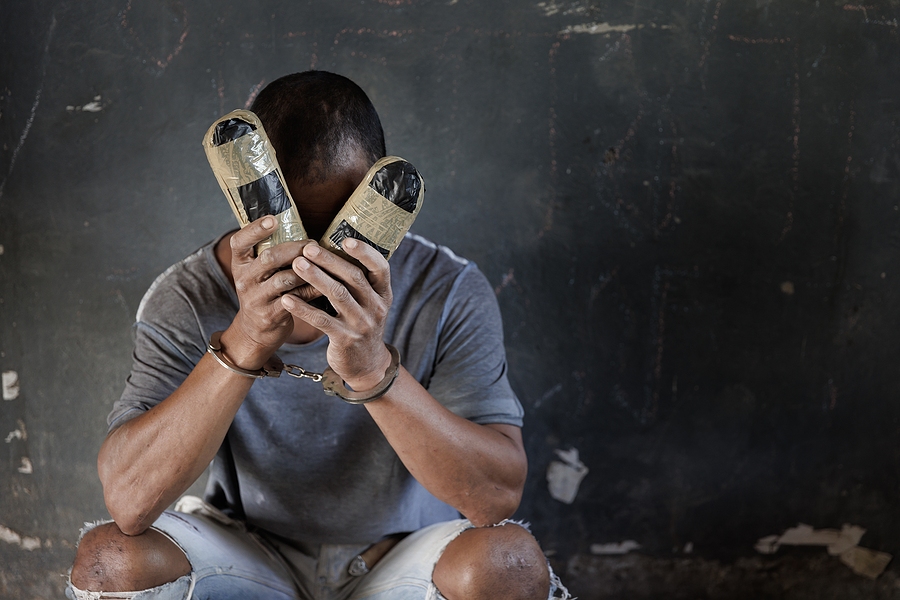
A cocaine arrest can turn an ordinary day into a problem that follows you home, to work, and into every conversation about your future. You may be wondering whether you will go to jail, lose your job, or end up with a felony record.
An arrest is not proof that the cocaine belonged to you. Police sometimes find drugs in cars, homes, bags, or rooms used by several people. Prosecutors must connect you to the substance and show that you knew it was there. Your first step in protecting yourself is to contact a cocaine possession lawyer as soon as possible.
North Carolina places cocaine in Schedule II. Possessing even a small amount is generally charged as a Class I felony rather than a misdemeanor.
The accusation becomes much more serious at 28 grams. At that point, prosecutors may file a cocaine trafficking charge. Trafficking carries mandatory prison time and a fine of at least $50,000.
Possession is often the most disputed issue in a case. Police do not have to find cocaine in your hand or clothing. They may claim you controlled drugs discovered somewhere nearby.
Consider a car with three passengers. Officers find cocaine under one of the seats, but nobody admits it belongs to them. The state cannot prove possession simply by showing that everyone was inside the car. Prosecutors need facts connecting a particular person to the drugs.
Your sentence for possession depends on several factors, including your previous record. Others face community or intermediate punishment, court costs, supervision, treatment requirements, or time in custody. A felony record can also make it harder to find work, rent a home, attend school, keep a professional license, or resolve an immigration matter.
Police may accuse you of more than simple possession. When officers find separate packages, a large amount of cash, scales, or certain phone messages, prosecutors may argue that you intended to sell or deliver the cocaine. That offense is generally treated as a Class H felony.
None of those items proves intent on its own. Cash can have a legitimate source. A scale may have an innocent use. Messages can look different when taken out of a longer conversation.
Many cocaine arrests begin with a traffic stop. Others follow a search of a house, apartment, hotel room, or personal bag.
Police need a lawful reason to stop you and legal authority to search. Sometimes they rely on a warrant. In other cases, officers claim the driver or resident gave permission. They may also argue that another exception allowed them to search without asking.
When police obtain evidence through an unlawful stop or search, the defense may ask the court to suppress it. If the judge excludes the cocaine, statements, or other evidence, the state may no longer be able to prove the charge.
The right defense depends on where police found the substance and what connects it to you.
Perhaps the cocaine was inside a roommate’s dresser or another passenger’s bag. Maybe several people used the room where officers found it. Police may have assumed you controlled the area because your name was on a lease or vehicle registration, even though someone else had equal access.
Police reports tend to make arrests look straightforward. Real events are usually messier.
A video may show that another person admitted owning the drugs. A witness may change their account after receiving a deal. The cocaine may have been found in a place you did not control. Officers may also have continued a traffic stop after the original reason for holding you had ended.
A lawyer can identify those problems and explain what they mean. Depending on the evidence, the next step could involve a suppression motion, negotiating a reduced charge, a treatment-based option, preparing for trial, or trying to dismiss the charge.
You should not have to accept a plea simply because the paperwork says cocaine was found nearby.
At the Law Office of Dewey P. Brinkley, we can review the traffic stop or search, body camera footage, laboratory records, witness statements, and every fact prosecutors claim connects you to the cocaine.
Call our Raleigh office at (919) 832-0307 or fill out the online form after a cocaine possession arrest. Early work gives us more time to obtain recordings, preserve records, and question the state’s version of what happened

Certified Criminal Law Specialist by North Carolina State Bar.

Tried over 250 criminal cases in local courts.

Knows prosecution strategies from time as Assistant District Attorney.

Direct, responsive service from start to finish by Brinkley himself.

4.9-star client reviews praise professionalism and case outcomes.
Speak directly with Attorney Dewey Brinkley – 100% confidential and no obligation.