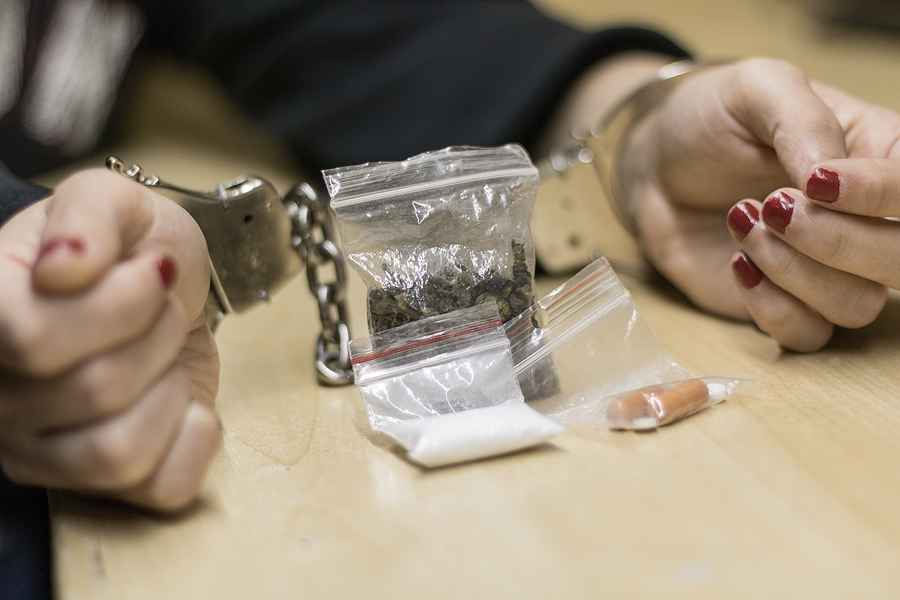
A drug possession arrest can leave you wondering how serious the charge really is and what happens next.
Maybe police found something during a traffic stop. The drugs may have been inside a house or car that several people used. You might even be facing a charge for something that was not found directly on you.
If you are caught with a controlled substance in North Carolina, drug laws can lead to charges based on the substance and amount involved. At the Law Office of Dewey P. Brinkley, we defend people facing drug possession charges in Raleigh and throughout Wake County.
North Carolina separates controlled substances into different schedules, and the drug involved can change the charge.
While exact laws can vary, possession of a Schedule I controlled substance is generally a Class I felony. Possession of many Schedule II, III, and IV substances generally leads to Class 1 misdemeanors, although there are exceptions.
Cocaine and methamphetamine are examples where possession can lead to a felony charge. Fentanyl and carfentanil possession can carry more serious felony penalties.
The charge written on your paperwork should identify what police say they found. Your attorney can compare that allegation with the actual evidence and the law that applies.
Marijuana possession shows how quickly the classification can change. Possession of one-half ounce or less is generally treated less seriously than possession of larger amounts. Once the amount exceeds certain limits, the charge can become a felony. Other controlled substances have their own rules.
The possible sentence depends on the exact charge and your prior criminal record. Some possession cases are misdemeanors. Others can result in a felony conviction and possible incarceration. The consequences may not stop after court. A drug conviction can cause trouble with jobs, professional licenses, housing, school, or other parts of your life. A felony record can create even bigger problems later.
Before you enter a plea, you should know exactly what the state has to prove and whether the evidence supports the charge.
Being near drugs does not always mean you possessed them. Suppose four people are riding in a car and police find drugs under one of the seats. The location of the drugs can raise questions about who knew they were there and who actually controlled them. The same issue can come up in a shared apartment, hotel room, or house. The search may also need to be reviewed.
We can look at why police stopped you, whether they had a warrant, what the warrant allowed, and what happened before officers found the drugs. Statements you made during the encounter may also need attention. Laboratory testing and evidence handling can also become part of the case.
A police report tells one version of what happened. At the Law Office of Dewey P. Brinkley, we can review body camera footage, search warrants, police reports, laboratory results, and witness statements. We can also look at whether officers had a lawful reason to search and whether the state can actually connect the drugs to you.
Attorney Dewey P. Brinkley previously worked as a Wake County Assistant District Attorney and has handled hundreds of criminal cases in local courts. That experience can be useful when the charge looks simple on paper, but the facts are not.
A drug possession charge does not mean the case is already decided. If you were arrested, bring us the paperwork you received. Tell us where the drugs were found, who else was there, what police said, and what happened before the search started. Call the Law Office of Dewey P. Brinkley at (919) 832-0307 to talk about your Raleigh drug possession case.

Certified Criminal Law Specialist by North Carolina State Bar.

Tried over 250 criminal cases in local courts.

Knows prosecution strategies from time as Assistant District Attorney.

Direct, responsive service from start to finish by Brinkley himself.

4.9-star client reviews praise professionalism and case outcomes.
Speak directly with Attorney Dewey Brinkley – 100% confidential and no obligation.